
Sandra Wärenhed | 2026-06-18
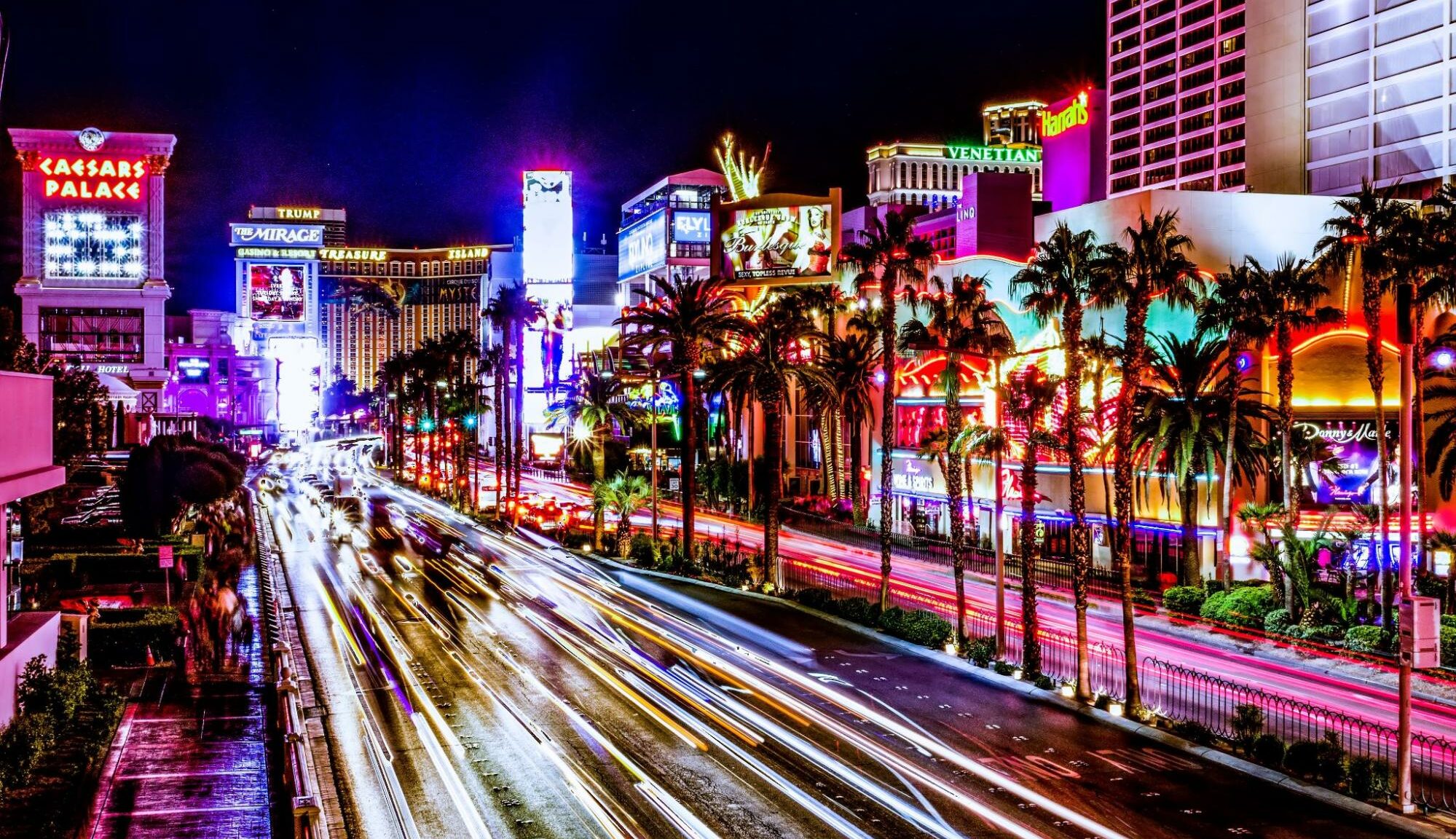
Las Vegas is built on big experiences. From sold-out concerts and championship sporting events to the Formula 1 Las Vegas Grand Prix, the city thrives on attracting massive crowds and delivering unforgettable entertainment. But behind every packed stadium, race weekend, and arena event lies a less visible challenge: managing the enormous volume of waste generated by tens of thousands of guests.
As sustainability becomes a priority for fans, sponsors, governing bodies, and venue operators, waste management is no longer an afterthought. It has become a critical component of event operations and environmental responsibility.
The Growing Waste Challenge at Large Events
Major sporting and entertainment events can generate hundreds of tons of waste in just a few days. Cardboard packaging from concessions and merchandise, plastic bottles and cups, aluminum cans, food waste, and other recyclables move through venue operations at a rapid pace.
Without an effective recycling and waste management strategy, much of this material ends up in landfills, creating unnecessary environmental impact and increasing disposal costs.
The challenge extends beyond landfill diversion. Loose cardboard and recyclable materials consume valuable storage space and require frequent waste hauling. More collection trips mean higher transportation costs, increased fuel consumption, and greater greenhouse gas emissions.
For destinations like Las Vegas—where large-scale events occur year-round—these inefficiencies can quickly become significant.
Sustainability Is Becoming a Business Requirement
Formula 1 has publicly committed to achieving net-zero carbon emissions by 2030, and sustainability expectations are increasingly influencing event planning across the sports and entertainment industry.
The Las Vegas Grand Prix, Allegiant Stadium, T-Mobile Arena, and other major venues are under growing pressure to demonstrate measurable environmental performance. Sponsors increasingly evaluate sustainability initiatives when selecting partnerships, while fans expect organizations to take meaningful action on waste reduction and recycling.
In addition, many venues are pursuing sustainability certifications, ESG reporting goals, and waste-diversion targets that require real operational improvements—not just policy statements.
The challenge is implementing solutions that work in high-volume environments without disrupting daily operations.
Turning Waste into a Resource
One of the most effective ways venues can improve sustainability performance is by managing recyclable materials at the source.
Rather than allowing cardboard, plastics, and aluminum containers to accumulate in dumpsters, venues can separate and process these materials into dense, transportable bales. This approach increases recycling rates while reducing the volume of material sent to landfills.
Compacting recyclable materials also creates a cleaner, safer work environment by reducing clutter in back-of-house areas and minimizing fire hazards associated with loose cardboard and packaging materials.
Most importantly, properly baled recyclables often have market value, helping venues offset waste-management expenses and transform what was once a cost center into a revenue-generating recycling program.
How Orwak Commercial Balers Support Sustainable Venue Operations
Orwak commercial balers are designed to help stadiums, arenas, convention centers, and entertainment venues manage high volumes of recyclable materials efficiently.
By compacting cardboard, PET containers, plastic film, aluminum cans, and other recyclables directly on-site, Orwak systems help facilities:
- Increase recycling and waste-diversion rates
- Reduce landfill disposal costs
- Decrease waste-hauling frequency
- Lower transportation-related emissions
- Improve workplace safety and cleanliness
- Recover value from recyclable commodities
- Support ESG and sustainability reporting initiatives
For venues where space is limited, compacted bales require significantly less storage area than loose materials. This allows operations teams to maintain cleaner back-of-house areas while improving workflow efficiency during busy events.
Multi-chamber balers can also process multiple recyclable streams in a single machine, making them particularly valuable for large venues handling a variety of materials throughout an event.
Building the Future of Sustainable Events in Las Vegas
Las Vegas continues to establish itself as one of the world’s premier destinations for sports and entertainment. With Formula 1, NFL football, NHL hockey, major concert tours, and the potential arrival of an NBA franchise, the city’s event calendar is only becoming more ambitious.
As attendance grows, so does the responsibility to manage waste more sustainably.
The venues that invest in efficient recycling infrastructure today will be better positioned to meet future environmental expectations, reduce operating costs, and demonstrate measurable sustainability performance to fans, sponsors, and stakeholders.
The spotlight may shine on the athletes, performers, and events themselves, but behind the scenes, effective waste management plays a vital role in creating more sustainable experiences.
Orwak helps make that possible by providing practical, scalable waste-compaction and recycling solutions that enable venues to turn sustainability goals into measurable results.
Ready to Improve Your Venue’s Recycling Program?
Whether you’re operating a stadium, arena, convention center, or entertainment venue, Orwak can help you reduce waste, improve recycling rates, and lower operating costs.
Contact Orwak today to learn how our commercial balers and compactors can support your sustainability initiatives and waste-management goals.