
Sandra Wärenhed | 2026-11-24
The holiday season can bring a different kind of pressure to quick-service restaurants (QSRs). Between seasonal promotions, busy pickup windows, delivery orders, and frequent restocking, teams need to move quickly while keeping back-of-house areas functional. Yet one challenge often goes unnoticed until it starts getting in the way: the steady buildup of cardboard boxes and packaging waste.
For restaurants operating in tight spaces, waste handling is more than a cleanup task. It affects how employees move, how supplies are stored, and how smoothly each shift runs. A practical approach to managing recyclable materials can help restaurants stay organized during the holiday rush and carry those improvements into the new year.
The Holiday Rush Creates a Back-of-House Space Problem
A busy restaurant receives a constant stream of supplies: food ingredients, beverage cases, disposable cups, takeout containers, and promotional materials. Many arrive in corrugated cardboard packaging. As deliveries are unpacked, empty boxes can accumulate faster than employees have time to break them down and move them out of the way.
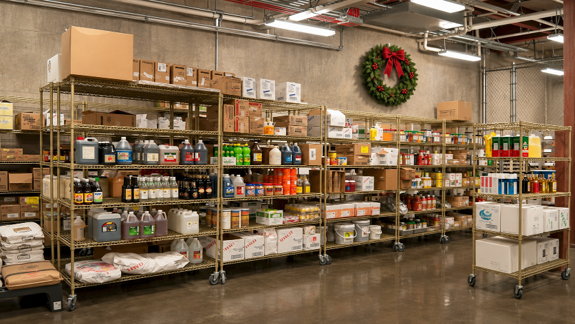
This is especially challenging for quick-service restaurants, where back-of-house space is already shared by storage, preparation, cleaning, and employee traffic. Loose cardboard may crowd receiving areas, take up room beside shelves, or require repeated trips to a collection point. During peak periods, those extra steps compete with higher-priority work.
Holiday demand can amplify the issue. A limited-time menu or seasonal promotion may increase packaging throughput, while staffing schedules and delivery timing leave little flexibility. When waste handling depends on finding spare minutes between orders, clutter can build up quickly. Planning for the volume of packaging, not just the volume of customers, is a useful part of seasonal readiness.
Compaction Helps Turn a Recurring Chore Into a Manageable Process
One way to improve the situation is to address cardboard and other suitable recyclable materials closer to where they are generated. Instead of allowing loose boxes to spread across a storage area, a properly selected baler can consolidate material into dense, manageable bales. That makes it easier to designate a consistent place for recyclables and can reduce the amount of floor space they occupy.
For restaurant teams, the benefit is not simply a neater room. A defined waste-handling process can reduce repeated movement of loose packaging, make receiving areas easier to navigate, and help employees keep work zones clear. Depending on the restaurant’s collection arrangements and recycling program, denser material may also support more efficient storage and pickup.
Equipment selection matters. A restaurant’s available footprint, packaging volume, material types, employee workflow, and local collection requirements should all be considered. Orwak North America offers compacting and baling solutions designed for commercial waste streams, with options that can be evaluated for space-constrained operations. Staff should always follow equipment instructions and site safety procedures, and only approved materials should be processed.
Build Better Waste Habits Before the New Year
The holiday season is a useful time to observe where a restaurant’s waste process slows down. Managers can look at how frequently cardboard is moved, whether packaging blocks access to supplies, and where employees spend time handling material more than once. Those observations can inform practical improvements without requiring a complete operational overhaul.
Start with a clear plan for where recyclable packaging goes after unpacking. Keep designated collection areas accessible, train employees on material separation, and coordinate expectations with the recycling or hauling provider. If loose cardboard continues to overwhelm the space, consider whether an on-site baling solution fits the operation’s volume and layout.
A better waste-handling system can support more consistent routines during busy shifts and beyond. As restaurants evaluate efficiency goals for 2027, packaging waste deserves the same attention as inventory flow, storage, and labor-intensive tasks. Small improvements behind the counter can make a meaningful difference in how a location operates.
Holiday traffic may be seasonal, but the need for efficient waste handling is year-round. Orwak North America helps businesses explore equipment solutions that reduce waste volume and support more organized operations. If your quick-service restaurant is looking to reclaim valuable back-of-house space, connect with Orwak North America to discuss the right approach for your facility. Compact Is Impact.