
Sandra Wärenhed | 2026-02-26
Waste management is no longer just an operational necessity – it’s a strategic priority.
As we move into 2026, rising sustainability expectations, stricter regulations, and increasing hauling costs are forcing businesses to rethink how they manage waste. Organizations across retail, hospitality, manufacturing, logistics, and food service are looking for smarter ways to reduce costs, improve reporting, and meet ESG targets.
The companies that will lead in 2026 aren’t simply reacting. They’re investing in smarter waste systems – and smart compaction is at the center of that shift.
Top Waste Management Trends for 2026
1. ESG Reporting Is Becoming More Data-Driven
Environmental, Social, and Governance (ESG) accountability is intensifying. Investors, regulators, and customers increasingly expect measurable sustainability performance – not just good intentions.
Waste reporting now requires clear metrics such as:
- Waste volume generated
- Recycling rates
- Landfill diversion percentages
- Pickup frequency
- Emissions impact
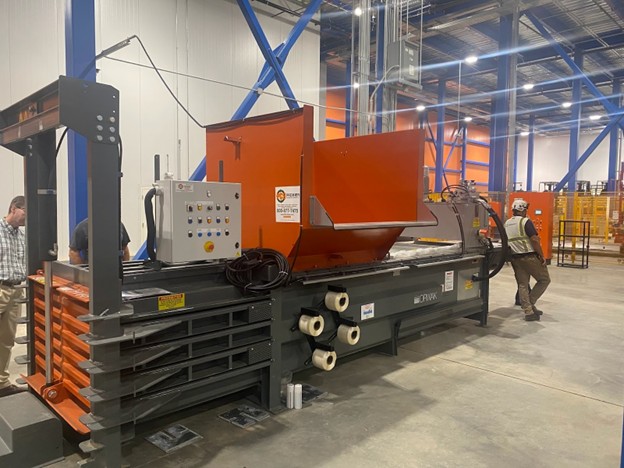
Smart balers and compactors help businesses track these data points more accurately. Compacted waste is easier to measure, manage, and report – supporting transparent ESG reporting and sustainability goals.
2. Landfill Diversion Regulations Are Expanding
Across North America, states and municipalities are implementing stricter recycling mandates and landfill diversion targets.
For businesses, this means:
- Greater compliance risk
- More scrutiny of waste streams
- Higher penalties for non-compliance
Facilities that implement efficient compaction systems today are better prepared for tightening regulations tomorrow. Reducing waste volume and improving recycling separation makes compliance easier and more cost-effective.
3. Rising Hauling Costs Are Pressuring Margins
Transportation costs continue to rise due to fuel prices, labor shortages, and route inefficiencies.
Compaction directly addresses this challenge by:
- Reducing collection frequency
- Lowering hauling fees
- Decreasing fuel consumption
- Minimizing overflow service calls
Fewer pickups mean immediate operational savings – and a smaller carbon footprint.
4. Smart Waste Technology Is Gaining Traction
Automation is reshaping facility management, and waste handling is no exception.
Modern compactors and balers now offer:
- Fill-level sensors
- Remote monitoring
- Usage analytics
- Pickup optimization insights
These smart features reduce manual oversight, improve scheduling, and prevent costly overflow situations. For operations teams managing multiple locations, visibility across sites is becoming a competitive advantage.
Why Smart Compaction Is Essential in 2026
As these trends converge, effective waste compaction is no longer optional for many facilities.
Lower Operational Costs
Compacting cardboard, plastic, and other recyclables at the source reduces:
- Dumpster size requirements
- Labor time spent handling loose waste
- Transportation expenses
In many cases, businesses also generate revenue by selling dense, high-quality bales to recyclers.
Improved Workplace Safety and Organization
Loose cardboard and overflowing containers create safety hazards in backrooms, warehouses, and loading docks.
Compaction systems:
- Reduce clutter
- Improve traffic flow
- Minimize fire risk
- Create cleaner, more professional workspaces
For retail, hospitality, and food service environments, this also enhances brand perception behind the scenes.
Better Use of Valuable Space
Back-of-house space is expensive. Compaction reduces waste volume by up to 90%, freeing square footage for:
- Inventory storage
- Equipment placement
- Operational improvements
In urban locations where space is limited, this benefit is especially valuable.
What Businesses Are Seeing in Practice
Across industries – from quick-service restaurants to distribution centers – organizations implementing smart compaction report consistent results:
- Fewer waste pickups
- Lower hauling costs
- Cleaner facilities
- Stronger sustainability reporting
- Improved recycling revenue
For example, retail grocery stores and restaurant chains using compact balers have significantly reduced dumpster collections while simplifying cardboard recycling processes.
The pattern is clear: waste becomes more manageable, more measurable, and more cost-efficient.
How to Prepare Your Business for 2026
If you’re evaluating your waste management strategy, start with a simple internal review.
Step 1: Conduct a Waste Self-Audit
Ask:
- How much waste do we generate weekly or monthly?
- How often are we paying for pickups?
- What percentage of our waste is recyclable?
- Are we paying to haul materials that could generate revenue?
- Where is waste taking up valuable space?
This assessment often reveals immediate cost-saving opportunities.
Step 2: Evaluate Compaction Options
When considering a baler or compactor, assess:
- Waste stream types (cardboard, plastic, mixed waste)
- Available floor space
- Staff interaction and safety needs
- Multi-location scalability
- Monitoring and reporting capabilities
The right system should integrate seamlessly into your workflow.
The Bottom Line: Waste Is Now a Strategic Lever
In 2026, waste management is directly tied to:
- Operational efficiency
- Cost control
- Regulatory compliance
- ESG performance
- Brand reputation
Smart compaction helps businesses reduce waste volume, lower transportation costs, and improve sustainability metrics – all while streamlining day-to-day operations.
Organizations that act now won’t just keep up with change. They’ll turn waste management into a measurable competitive advantage.
Ready to optimize waste, cut costs, and support your 2026 sustainability goals? Explore Orwak’s compact, multi-chamber, and connected waste solutions, then get in touch with us for a compaction strategy designed for your business.